Article: Sauna for Muscle Recovery: Optimal Cold Plunge Temperature & Time
Sauna for Muscle Recovery: Optimal Cold Plunge Temperature & Time
For people who train regularly, recovery is just as important as the workout itself. A thoughtfully designed recovery routine can include heat exposure, cold-water immersion, mobility work, hydration, sleep, and adequate nutrition. Among the most popular at-home recovery options are a sauna for muscle recovery and a cold plunge.
Sauna sessions provide controlled heat exposure, while cold plunging provides controlled cold exposure. Used thoughtfully, they can become part of a consistent post-workout wellness routine rather than an occasional recovery trend.
Zenith Restore specializes in wellness and recovery equipment for home and professional environments, including infrared saunas, traditional outdoor saunas, cold plunge systems, and related recovery equipment. The company describes its approach as curating systems from established manufacturers while providing product information, warranties, and customer support.
How Does a Sauna Support Muscle Recovery?
A sauna for muscle recovery can be a useful addition to a post-workout routine because heat encourages relaxation and increases skin blood flow. After strenuous exercise, many people find heat exposure comfortable for easing muscle tension and transitioning from an active state into relaxation.
Sauna use should complement—not replace—fundamental recovery practices such as sufficient sleep, hydration, appropriate nutrition, and rest between demanding training sessions.
For home use, shoppers commonly compare an indoor sauna, traditional sauna, infrared sauna, and different sizes of home sauna kit. The right choice depends on available space, desired temperature, installation requirements, heating technology, and how frequently the sauna will be used.
If you're building a dedicated recovery environment at home, explore the Zenith Restore home page to compare sauna and cold-therapy solutions designed for modern wellness spaces.
How Hot Should a Sauna Be?
One of the most common questions from new sauna owners is, “How hot should a sauna be?”
There is no single temperature that is ideal for everyone. Traditional saunas generally operate at substantially higher temperatures than infrared saunas, while individual tolerance varies considerably.
A practical approach is to begin with a shorter, more comfortable session rather than immediately attempting the highest available temperature. Allow your body to acclimate gradually and follow the sauna manufacturer's operating instructions.
If you feel dizzy, unusually weak, nauseated, excessively uncomfortable, or unwell, leave the sauna and cool down.
For a home setup, choosing the right sauna size is also important. A one person sauna can be convenient for individual sessions and may require less floor space, while larger models may suit couples or families.
Sauna vs. Cold Plunge for Recovery
Heat and cold offer very different experiences.
A sauna creates a warm environment that encourages sweating and relaxation. A cold plunge exposes the body to cold water and produces a strong cold sensation that can temporarily change blood-vessel behavior and perceived muscle soreness.
Neither should be viewed as a universal replacement for sleep, nutrition, or appropriate training recovery.
Instead, many wellness enthusiasts use heat and cold as complementary parts of a structured routine.
The best approach depends on your training goals and personal tolerance.
What Is the Best Cold Plunge Temperature?
Cold plunge temperature is one of the most important factors to consider when purchasing or using a cold-water immersion system.
For many healthy adults, a commonly used cold-water range is approximately 50°F to 59°F (10°C to 15°C). Colder water creates a more intense experience and should not automatically be considered better.
Beginners should generally start at a less aggressive temperature and shorter exposure, then gradually adjust based on comfort and experience.
Cold exposure can place significant stress on the cardiovascular system. People with cardiovascular disease, uncontrolled high blood pressure, circulation problems, Raynaud's phenomenon, pregnancy, or other relevant medical conditions should speak with an appropriate healthcare professional before beginning cold-water immersion.
Cold Plunge Temperature and Time: Finding the Right Balance
Temperature and exposure time should be considered together.
A colder plunge generally requires less exposure time than a milder plunge. Rather than pursuing extremely cold water or long sessions, prioritize controlled exposure that you can tolerate safely.
A conservative starting framework for a healthy beginner could be:
Cold-plunge-table th, .cold-plunge-table td { padding: 15px 12px; }
| Experience Level | Cold Plunge Temperature | Suggested Time | Best Approach |
|---|---|---|---|
| Beginner | 55–59°F (13–15°C) | 1–2 minutes | Start gradually and focus on controlled breathing |
| Intermediate | 50–55°F (10–13°C) | 2–3 minutes | Maintain a comfortable, controlled exposure |
| Experienced | 45–50°F (7–10°C) | 3–5 minutes | Use shorter exposure at colder temperatures |
| Advanced | Below 45°F (Below 7°C) | Short sessions | Requires greater cold tolerance; avoid excessive exposure |
These are general educational ranges, not medical prescriptions. There is no requirement to reach extremely low temperatures, and longer exposure is not necessarily better.
The most important principle is consistency and appropriate progression.
How Long Should You Cold Plunge?
For beginners, starting around one to two minutes can be more appropriate than immediately attempting prolonged immersion. As tolerance develops, some people progress toward several minutes.
A cold plunge should never become a test of endurance.
If you experience intense shivering, numbness, confusion, dizziness, difficulty breathing, chest discomfort, or other concerning symptoms, exit the water immediately and seek appropriate medical attention if necessary.
The goal is controlled cold exposure—not maximizing discomfort.
Cold Plunge Before or After Workout?
The question of cold plunge before or after workout depends on your objective.
Before exercise, cold immersion can make the body feel cold and may not be the most comfortable preparation for strength or performance work. A proper warm-up is generally more appropriate before demanding exercise.
After exercise, cold exposure is commonly used as part of a recovery routine, particularly following strenuous training.
However, the timing may matter if your primary goal is muscle growth. Some research suggests that frequent immediate post-resistance-training cold-water immersion may blunt certain training adaptations. Therefore, athletes focused specifically on hypertrophy should consider their overall training strategy rather than automatically plunging after every strength workout.
For general wellness and recovery, cold immersion can be scheduled separately from resistance training when appropriate.
At-Home Cold Plunge With Chiller
An at home cold plunge can be configured in sefveral ways. Some users rely on ice, while others prefer a dedicated cold plunge with chiller for repeatable temperature control.
A chiller for cold plunge systems continuously cools the water toward a selected temperature, reducing the need to repeatedly purchase and add large quantities of ice.
This can be particularly attractive for people who use cold therapy regularly.
Zenith Restore currently offers cold plunge systems designed for indoor and outdoor use. Its Stainless Steel Cold Plunge (XL), for example, is constructed from commercial-grade 304 stainless steel and is designed to work with an external chiller. The product page states that a chiller is required and offers 1.0 HP chiller options.
You can browse the Zenith Restore Sauna for Muscle Recovery & Cold Plunges collection to compare available recovery systems.
Cold Plunge Barrel vs. Chilled Tub
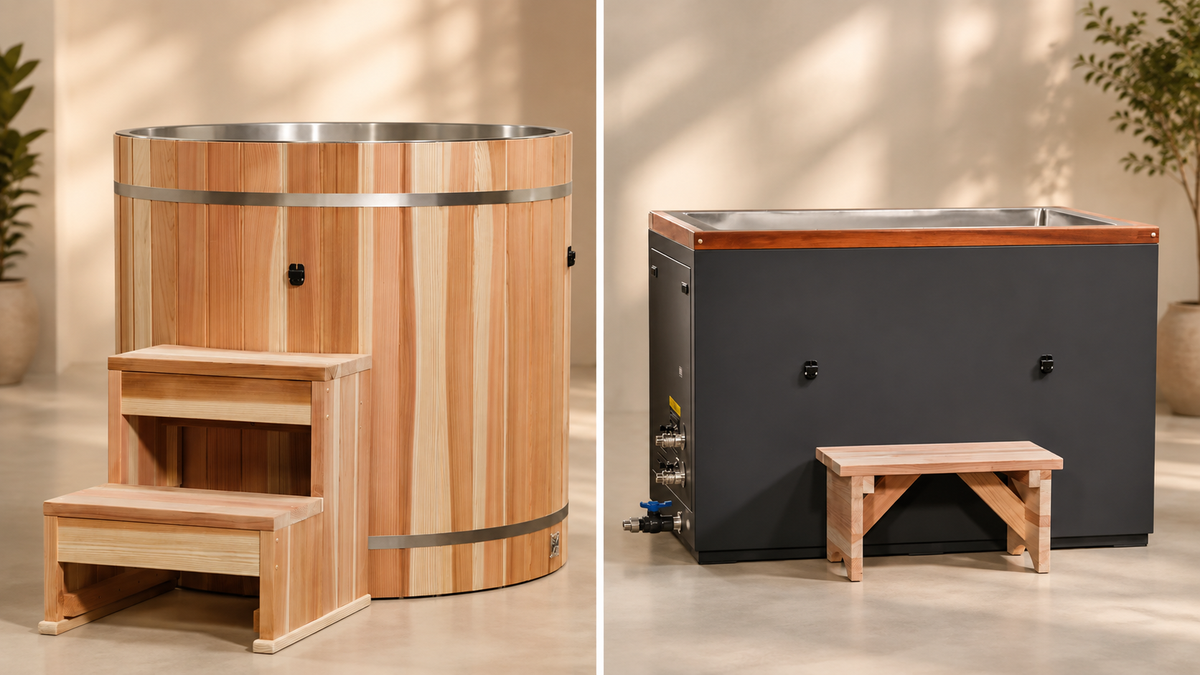
A cold plunge barrel can be an appealing choice for people who want a traditional-looking outdoor setup. However, the design is only one part of the system.
When comparing an ice bath, cold plunge barrel, and temperature-controlled plunge, consider:
- Water temperature control
- Chiller compatibility
- Filtration and sanitation
- Tub dimensions
- Indoor or outdoor placement
- Electrical requirements
- Maintenance
- Insulation
- Ease of draining and cleaning
A temperature-controlled system may be more convenient for frequent users because it can maintain a consistent target temperature without manually adding ice every session.
How Long to Ice Bath?
If you're using an ice bath rather than a powered chiller, the same principle applies: colder is not automatically better.
For beginners, a short exposure can be sufficient to introduce the body to cold water. As tolerance develops, duration can be adjusted conservatively.
Instead of asking only “how long to ice bath?”, consider three variables together:
- Water temperature
- Exposure duration
- Individual tolerance
A safer approach is to control the intensity rather than chasing extreme cold.
Building a Home Recovery Space With Sauna and Cold Plunge
A dedicated recovery room can make wellness routines easier to maintain.
For an indoor installation, a home sauna kit or indoor sauna may fit into a gym, bathroom-adjacent space, basement, or dedicated wellness room, depending on the model and installation requirements.
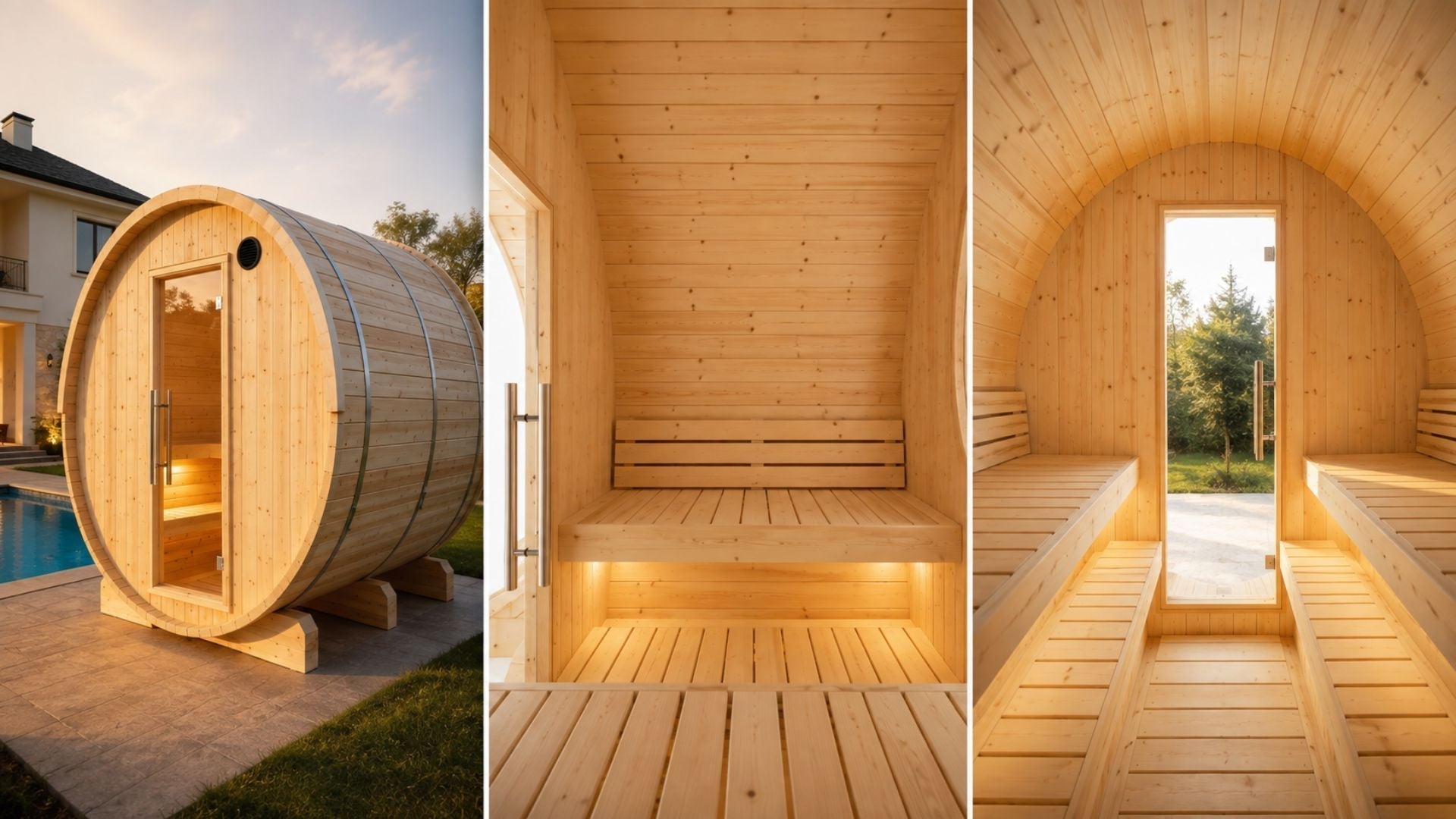
Outdoor options can create a separate backyard recovery area. Zenith Restore's current sauna collection includes outdoor barrel sauna systems, while its cold-plunge products include systems intended for indoor and outdoor placement.
When planning a home with sauna, consider ventilation, electrical requirements, floor protection, drainage, clearance, humidity, and manufacturer installation instructions before purchasing.
What to Look for When Buying a Home Sauna or Cold Plunge
If you're searching for saunas for sale near me, a best home sauna, or a complete recovery setup, online availability can make it easier to compare specifications across manufacturers.
Focus on:
- Construction materials
- Heating technology
- Temperature range
- Capacity
- Electrical requirements
- Dimensions
- Warranty
- Installation requirements
- Delivery method
- Customer support
For cold plunges, add chiller capacity, temperature range, filtration, sanitation, insulation, and maintenance requirements to your comparison.
Zenith Restore operates as an online-only U.S. retailer and provides customers with access to wellness specialists for product-selection guidance.
Frequently Asked Questions
1. Is a sauna good for muscle recovery?
A sauna can be incorporated into a recovery routine because heat exposure promotes relaxation and increases skin blood flow. It should complement, rather than replace, sleep, hydration, nutrition, and appropriate rest.
2. What is a good cold plunge temperature for beginners?
A range around 55°F to 59°F can provide a manageable starting point for many healthy adults. Beginners should prioritize comfort and gradual adaptation rather than immediately choosing extremely cold water.
3. How long should you cold plunge?
Many beginners can start with approximately one to two minutes and gradually adjust. Longer exposure is not necessarily more beneficial, and cold-water immersion should be stopped if concerning symptoms develop.
4. Is a cold plunge with chiller better than using ice?
A chiller can provide more consistent temperature control and reduce the ongoing need to purchase and add ice. The best option depends on usage frequency, budget, available space, and maintenance preferences.
5. Should you cold plunge before or after a workout?
Cold plunging is more commonly incorporated after exercise or separately from training. If muscle growth is the primary objective, frequent immediate cold exposure after resistance training may not be ideal because it may interfere with some training adaptations.
6. How hot should a sauna be?
The appropriate temperature depends on sauna type and individual tolerance. Traditional saunas generally operate hotter than infrared systems. Beginners should start conservatively and follow the manufacturer's instructions.
7. What is the difference between a home sauna kit and a traditional sauna?
A home sauna kit typically includes the components needed to assemble a sauna in a residential setting. A traditional sauna uses a conventional sauna heater to create a high-temperature environment. Specific configurations vary by manufacturer.
8. Can I use an at-home cold plunge every day?
Some healthy adults incorporate cold exposure regularly, but frequency should be based on individual tolerance, training demands, and overall health. People with relevant medical conditions should consult a healthcare professional before beginning a regular cold-immersion routine.
Zenith Restore
- Address: - 2121 Lassen Drive, Prosper, Texas, 75078, USA
- Phone: - 8338001816
- Email: - support@zenithrestore.com
Conclusion
A balanced recovery routine does not need to be complicated. For many people, a sauna for muscle recovery combined with appropriately controlled cold exposure can become part of a consistent wellness routine.
When choosing equipment, focus on practical specifications rather than simply searching for the coldest plunge or hottest sauna. Consider temperature control, session duration, construction, installation requirements, maintenance, warranty, and long-term usability.
Whether you're researching an indoor sauna, traditional sauna, one person sauna, home sauna kit, cold plunge barrel, or a cold plunge with chiller, the right system is the one that fits your space, goals, experience level, and recovery routine.
Product Details – Dynamic Cold Therapy Cold Plunge
| Feature | Dynamic Cold Therapy Barrel | Dynamic Cold Therapy “CUBOID” XL |
|---|---|---|
| Design | Traditional barrel-style cold plunge | Modern CUBOID cold plunge tub |
| Immersion | Full-body immersion | Full-body immersion |
| Dimensions | Barrel-style spacious interior | 55" L × 32.5" W × 31.5" H |
| Material | Durable barrel construction | Nano-coated stainless steel cabinet with Pacific Cedar trim |
| Interior | Designed for comfortable immersion | 304 stainless steel interior |
| Indoor/Outdoor Use | Yes | Yes |
| Chiller Compatibility | Compatible with external chiller | Compatible with optional Dynamic Cold Therapy chiller |
| Cooling Method | Ice or external chiller | Optional chiller system |
| Minimum Chiller Temperature | Depends on selected chiller | Approximately 37°F (3°C) |
| Heating Function | — | Available with optional chiller |
| WiFi Control | — | Available with optional chiller |
| Drainage | Easy drainage | Designed for convenient maintenance |
| Entry Support | — | Pacific Cedar step included |
| Protective Cover | — | Custom cover with child-safety latches |
| Best For | Home recovery spaces, athletes, beginners and cold therapy enthusiasts | Athletes, daily recovery, premium home wellness and performance-focused users |
| Model | Dynamic Cold Therapy Barrel | DCT-S-055-NS-34 |
| Chiller Models | External chiller compatible | DCT-SV-08-DO3 / DCT-SV-10-DO3 |
| Chiller Included | No | No — sold separately |
| Warranty | — | 1-Year Manufacturer Warranty |
| Chiller Warranty | — | 1-Year Manufacturer Warranty |